What the certificate is
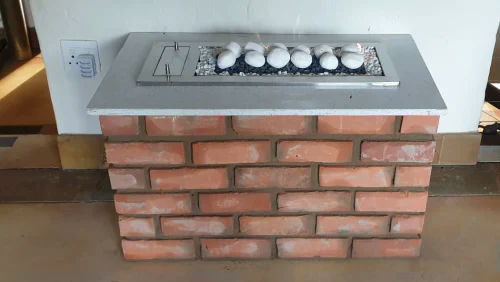
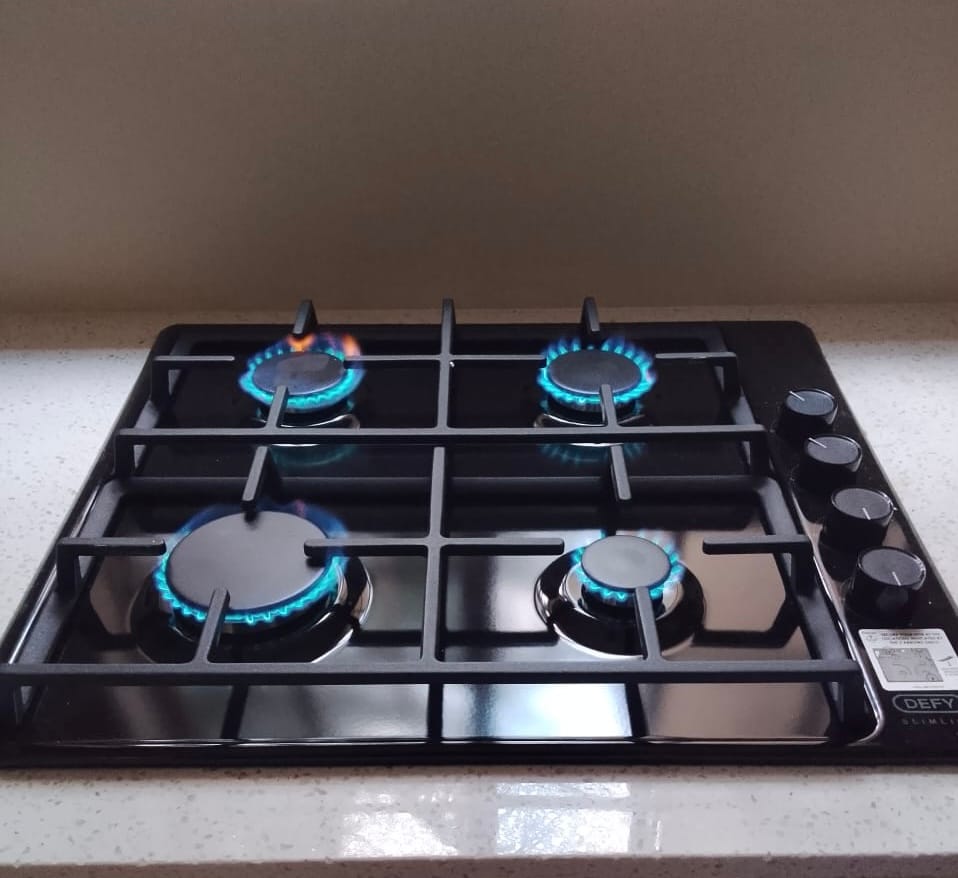
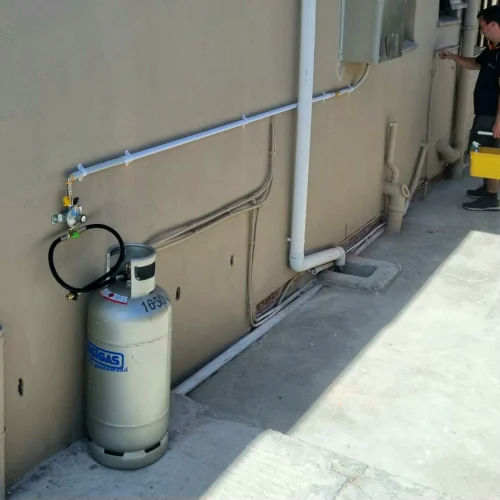
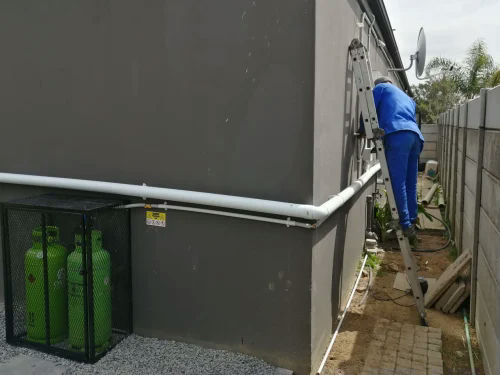
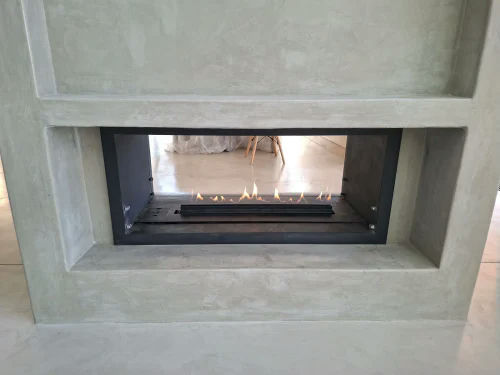
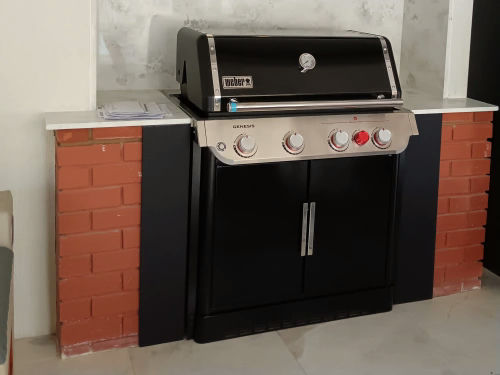
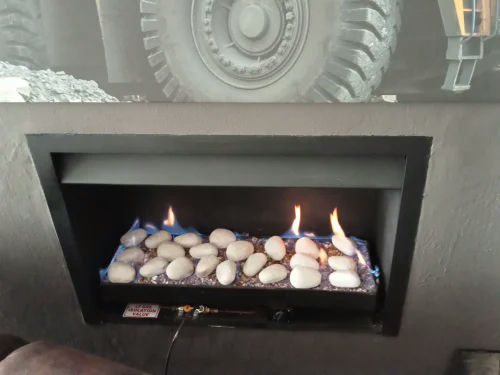
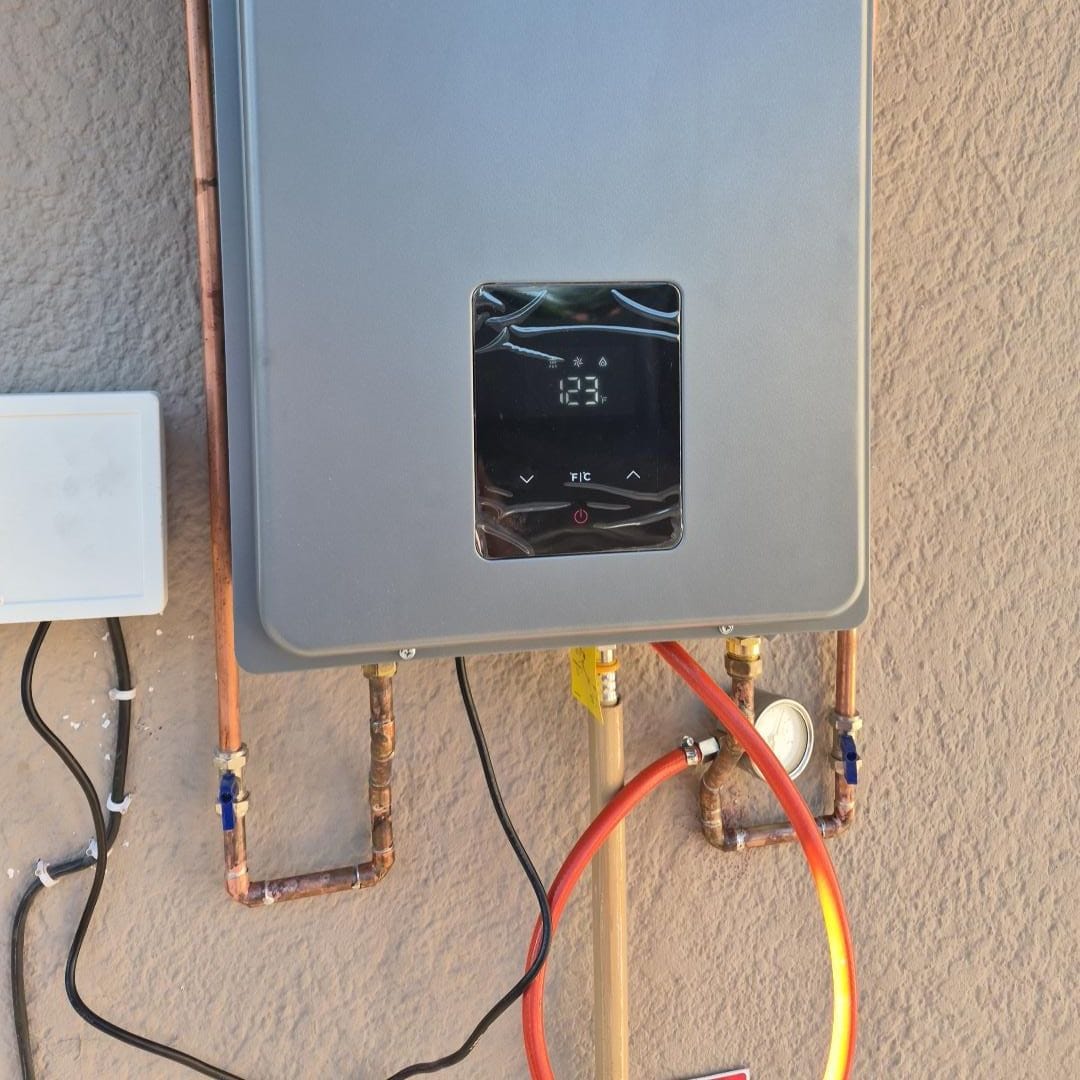
The gas CoC (often called a gas compliance certificate) covers the installation: the cylinders and where they stand, the regulator, valves, the gas pipes and connectors, the ventilation and flues, and how each appliance is connected. It does not certify the appliances themselves, and it is not a service of your stove or geyser.
Only an installer registered with SAQCC Gas (the South African Qualification and Certification Committee for Gas) may issue it, in the category that matches the work. Ask for the registration number and check it on the SAQCC Gas register.
When you need one
- After new gas work. Every new fixed installation, or a change to one (a new hob, geyser, fireplace or a moved gas line), needs a CoC from the installer who did it. It should be part of their quote.
- When you sell your home. The Pressure Equipment Regulations require the seller to hand over a gas CoC for an existing installation. Unlike an electrical CoC, there is no fixed validity period, so most conveyancers ask for a recent one.
- For your insurer. Many home insurers ask for a gas CoC and can refuse a claim linked to gas work that was never certified.
- When renting out a property, many agents and landlords ask for one so they know the installation is safe for tenants.
What the inspection checks
The installer checks the installation against SANS 10087-1, the standard for LP gas in homes. The main points are:
- A pressure test of the whole system for leaks.
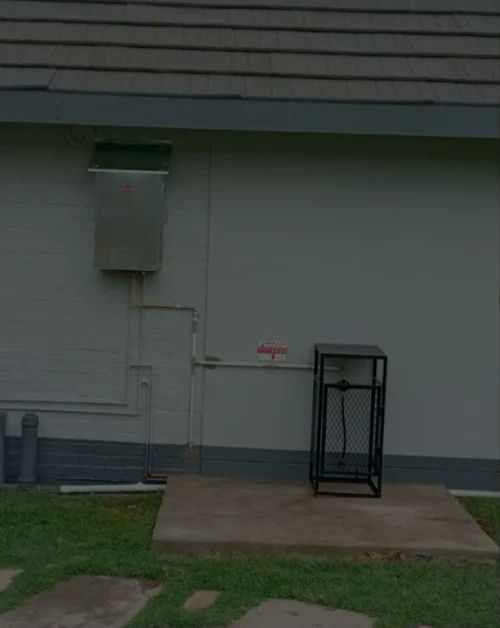
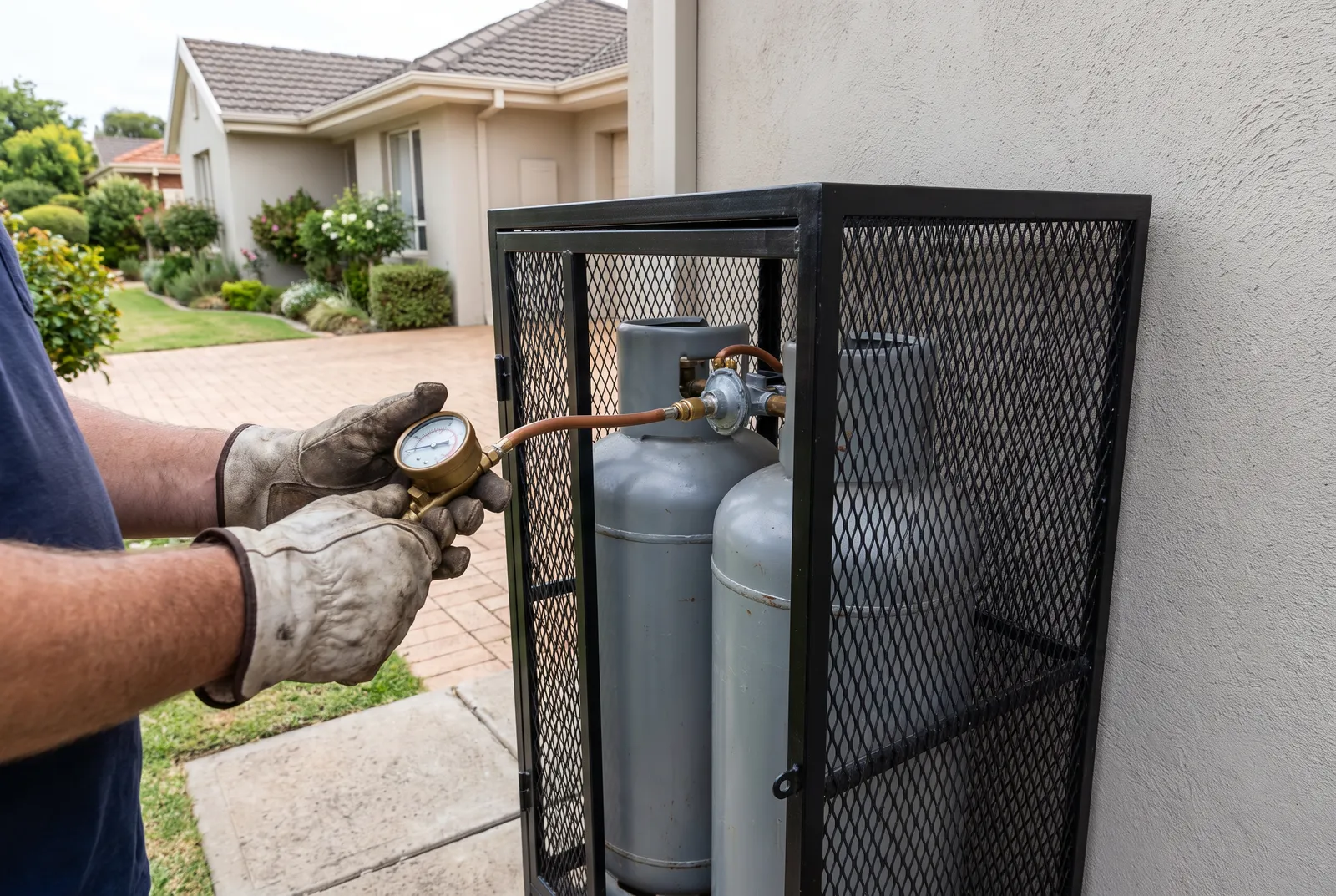
- Where the cylinders stand: outside on a firm base, the right distance from doors, windows, drains, air bricks and electrical switches, and not in a garage.
- Cylinder sizes and numbers indoors and outdoors, and ventilation where a small cylinder is kept in a cupboard.
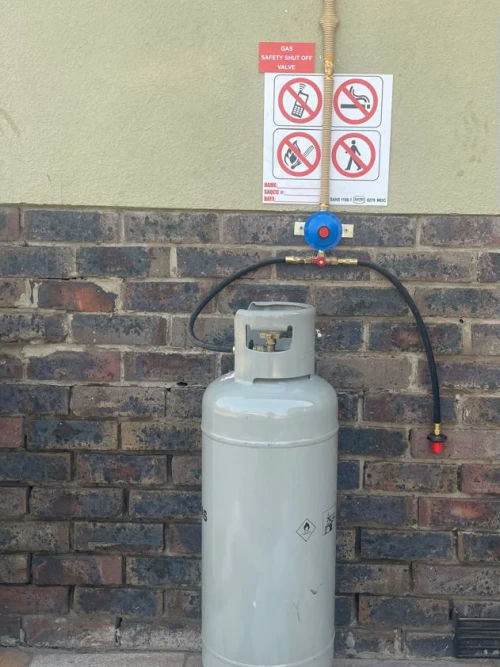
- The pipe: approved gas pipe and fittings, sleeved where it passes through a wall, and flexible hoses of the allowed length that do not pass through walls or cupboard sides.
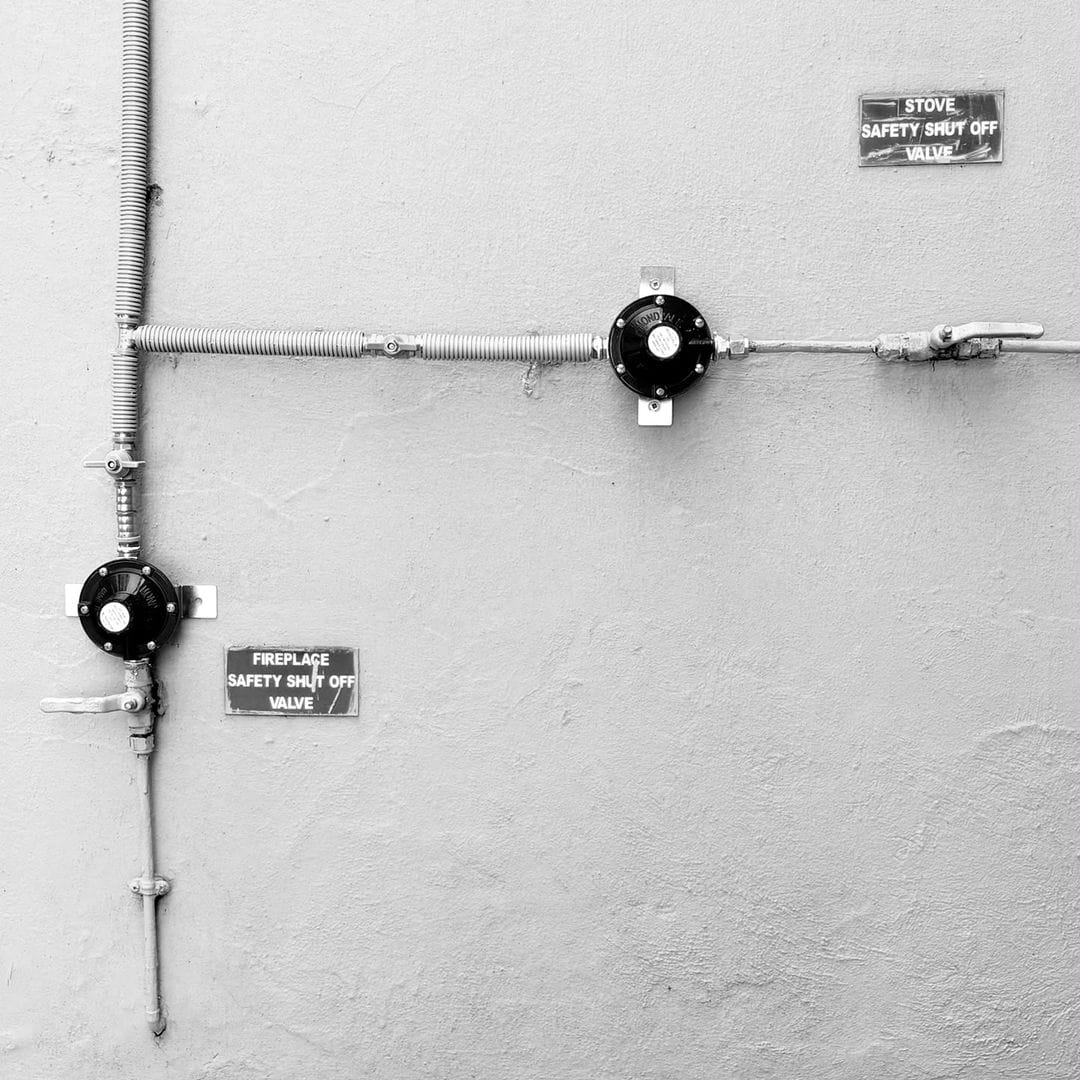
- Shut-off valves in the right places, and the regulator suited to the appliances.
- Flues and ventilation for geysers, fireplaces and heaters that need them.
- The safety sign and the installer's details at the cylinders.
The distances are set out in the standard and depend on cylinder size; the installer measures them on site. Portable appliances on their own cylinder (a camping stove, a patio heater, a mobile braai) are not part of the fixed installation.
What it costs
For an existing installation that is already compliant, published fees we checked in November 2026 run from about R600 to R1,500 for the inspection and certificate, depending on the area and the company, and some are before VAT. If something has to be fixed first, the installer gives you a written list of the faults and a quote for the repairs; the certificate is issued once the work is done. For new work, the CoC should be in the installer's quote.
CoC prices from installers in our network
| Installer | Job | Their price | Source |
|---|---|---|---|
| All Pro Electricians Gauteng | Gas Certificate of Conformity (CoC) | from R900 | Their website, checked November 2026 |
All Pro Electricians: Inspection and certificate for an existing installation; repairs to make it compliant are quoted separately. Source: All Pro Electricians' own website (compliance certificate prices, page updated October 2026).
Each installer sets and quotes its own prices. Ask for a written quote for your home before work starts.
How long it takes
An inspection of a compliant home installation usually takes an hour or two, and the certificate is issued on the day. If there are faults, it depends on the repairs: often one more visit.
Common reasons an installation fails
- Cylinders too close to a door, window, drain or plug point, or standing in a garage.
- A long flexible hose instead of a fixed gas line, or a hose through a cupboard side or wall.
- A geyser fitted indoors without the flue or ventilation its type needs.
- No shut-off valve near the appliance, or a missing safety sign.
- Old, damaged or unapproved regulators and hoses.
Who asks for it, and when
When you sell, the request can come from you, your estate agent or the transferring attorney. Book it early: if repairs are needed, they can take a few days. Keep the original certificate with your house papers and give a copy to the buyer.
Where people ask for this
In the last 12 months, gas certificate of conformity (coc) requests through National Gas Installers came from Johannesburg (83), East Rand (67), Pretoria (40), Roodepoort (34), Alberton (23), Cape Town (20), Strand and Somerset West (18), Centurion (16), Durban (13), Bellville and Durbanville (12), Bloubergstrand (4), Witbank (3) and Bloemfontein (3). Each area page shows who the local installers are:
- Gas installers in Johannesburg
- Gas installers in East Rand
- Gas installers in Pretoria
- Gas installers in Roodepoort
- Gas installers in Alberton
- Gas installers in Cape Town
- Gas installers in Strand and Somerset West
- Gas installers in Centurion
- Gas installers in Durban
- Gas installers in Bellville and Durbanville
- Gas installers in Bloubergstrand
- Gas installers in Witbank
- Gas installers in Bloemfontein
Need a gas CoC for a sale, an insurer or new work?
Get a quoteSources: Pressure Equipment Regulations under the Occupational Health and Safety Act 85 of 1993; SANS 10087-1; SAQCC Gas; CoC fees published by South African CoC companies, checked on 8 November 2026.
Last reviewed 2026-11-08. This guide is general information; the installer will advise on your installation after seeing it.